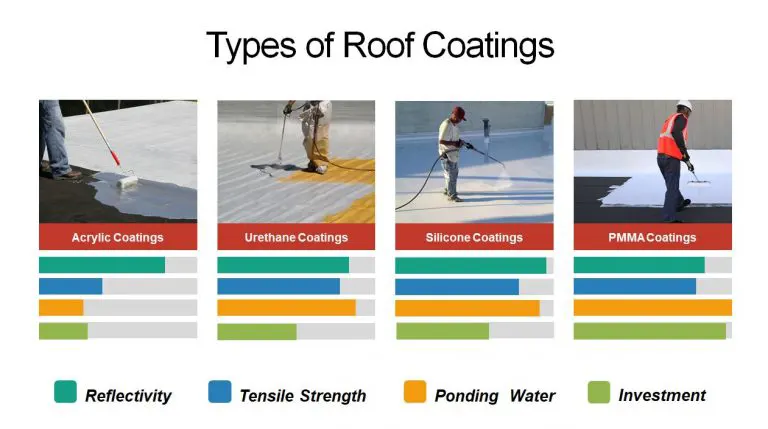
Most roof repair products fail for the same reason: the right material went on the wrong roof. Asphalt patch on a ponding roof, acrylic where water stands for days, silicone over a surface nobody cleaned first. The product was never the problem. This guide sets out where each of the three actually works — and where each one will let you down.
Quick Comparison
| Feature | Silicone | Acrylic | Asphalt |
|---|---|---|---|
| Waterproofing | Excellent | Good | Good |
| UV Resistance | Excellent | Good | Poor |
| Ponding Water | Excellent | Poor | Fair |
| Lifespan | 15-20 years | 10-15 years | 5-10 years |
| Cost | Higher | Moderate | Lower |
Silicone Roof Coatings
Pros:
- Superior waterproofing - silicone is inherently hydrophobic
- Excellent ponding water resistance - won't break down in standing water
- Outstanding UV resistance - maintains reflectivity for decades
- Stays flexible in extreme temperatures
- Longest lifespan of all coating options (15-20 years)
- Single-coat application possible
Cons:
- Higher upfront cost
- Can attract dirt (though this doesn't affect performance)
- Requires proper surface preparation
Best for: flat roofs that pond, humid Gulf and South Texas climates, and any roof you intend to keep for more than about eight years.
Acrylic Roof Coatings
Pros:
- Lower cost than silicone
- Good reflectivity and energy savings
- Easy to apply and recoat
- Breathable - allows moisture vapor to escape
- Maintains clean appearance longer
Cons:
- Not suitable for ponding water - can re-emulsify
- Requires multiple coats
- Less flexible in cold temperatures
- Shorter lifespan than silicone
Best for: roofs that drain properly and dry out fast, tighter budgets, and buildings you plan to sell before a recoat comes due.
Asphalt-Based Products
Pros:
- Lowest upfront cost
- Good adhesion to existing asphalt roofs
- Familiar to most contractors
- Quick repairs possible
Cons:
- Poor UV resistance - degrades in sunlight
- Black color absorbs heat - no energy savings
- Cracks and becomes brittle over time
- Shortest lifespan
- May require more frequent maintenance
Best for: stopping a leak this afternoon, patching to match an existing asphalt system, and nothing you want to still be relying on in five years.
Our Recommendation
For most commercial flat roofs around Houston, silicone wins — and the deciding factor is almost always ponding water rather than anything on a spec sheet. Gulf Coast roofs drain slowly and stay wet, which is precisely where acrylic gives up and asphalt patches float. Silicone costs more up front and repays it in warranty term, energy savings and not doing the job twice. Where a roof drains cleanly and the budget is tight, we will say so and quote you acrylic instead.
Not Sure Which Solution Is Right for You?
Send us the address. We will tell you which of the three your roof needs — including when the answer is the cheap one.
Get a Free Assessment